
Transforming Trash into Treasure: The Power of Waste-to-Energy Conversion


Understanding Waste-to-Energy Conversion
In a world where sustainability is becoming increasingly important, waste-to-energy (WTE) conversion stands out as a promising solution. This process involves transforming various types of waste into usable energy, offering a dual benefit: reducing waste in landfills and generating renewable energy. By converting trash into treasure, WTE plays a crucial role in sustainable waste management.
The technology behind waste-to-energy conversion is not just innovative; it's essential for a cleaner planet. As urban areas expand and populations grow, the amount of waste generated worldwide is skyrocketing. WTE helps address this challenge by providing an alternative to traditional waste disposal methods.
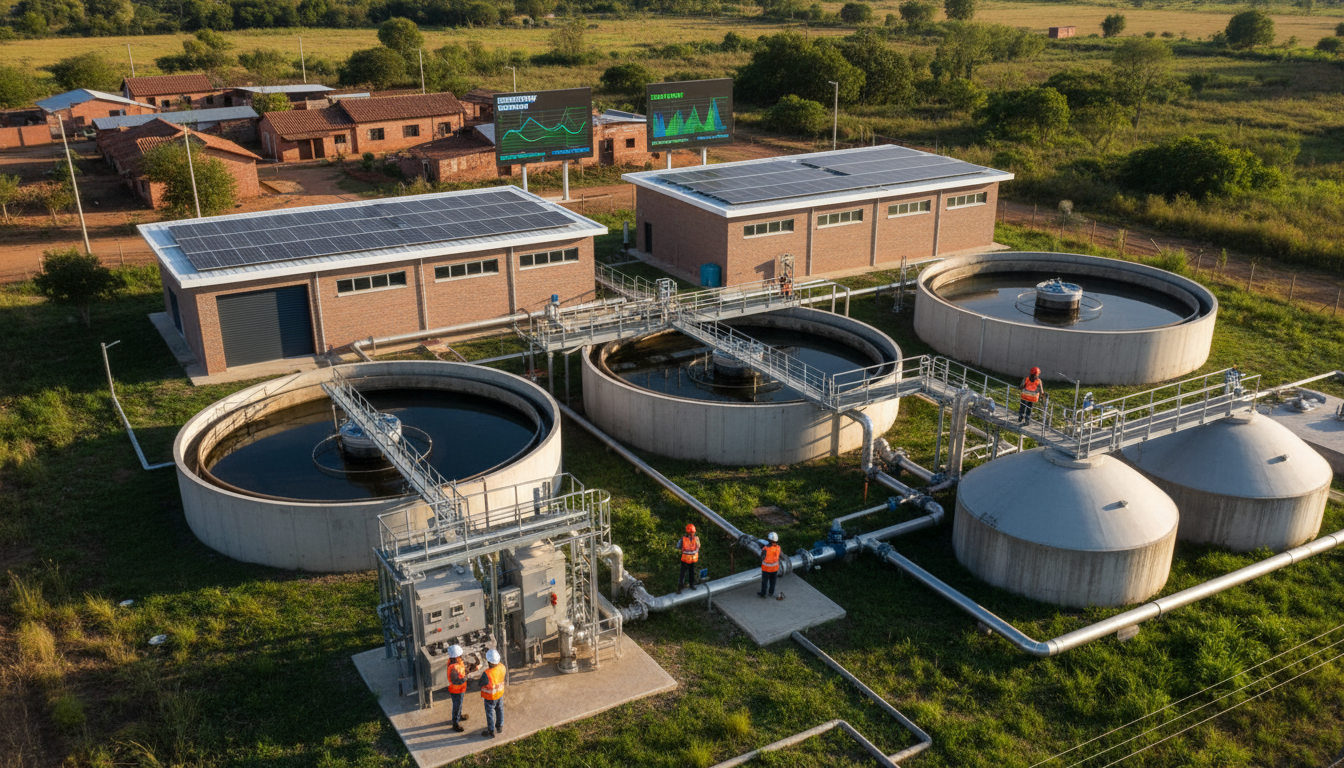
The Technology Behind Waste-to-Energy
Waste-to-energy technology encompasses several methods, including incineration, gasification, and anaerobic digestion. Each method has its unique advantages and applications, but they all share the same goal: converting waste into energy.
Incineration is the most common form of WTE, where waste is burned at high temperatures to produce steam. This steam drives turbines, generating electricity. Gasification, on the other hand, involves heating waste in an oxygen-limited environment to produce syngas, which can be used to generate electricity or produce fuels. Anaerobic digestion uses microorganisms to break down organic waste, producing biogas used for energy.

Environmental Benefits of Waste-to-Energy
One of the most significant advantages of waste-to-energy conversion is its environmental impact. By reducing the volume of waste sent to landfills, WTE helps decrease methane emissions, a potent greenhouse gas. Additionally, the energy produced from waste can replace fossil fuels, further reducing carbon emissions.
Moreover, waste-to-energy facilities are equipped with advanced filtration systems to minimize air pollutants, ensuring the process is environmentally friendly. This means that WTE not only reduces waste but also contributes to cleaner air and a healthier environment.

Economic and Social Impacts
Beyond its environmental benefits, waste-to-energy conversion offers significant economic and social advantages. By creating jobs in facility operations and maintenance, WTE supports local economies. It also provides a reliable source of energy, contributing to energy security and stability.
Communities that adopt waste-to-energy solutions often see a reduction in waste management costs. This is because WTE facilities can generate revenue through energy sales and tipping fees, offsetting the expenses associated with traditional waste disposal methods.
Challenges and Future Prospects
Despite its benefits, waste-to-energy conversion faces several challenges. High initial investment costs and public perception issues can hinder the development of new facilities. Additionally, ensuring that emissions are kept within safe limits remains a critical concern.
However, advances in technology and increased awareness of environmental issues are driving the growth of the WTE sector. With ongoing research and development, the efficiency and sustainability of waste-to-energy processes are expected to improve, making them an even more attractive option for waste management and energy production.

In conclusion, transforming trash into treasure through waste-to-energy conversion is an innovative and effective strategy for tackling the global waste crisis. By embracing this technology, we can move towards a more sustainable and cleaner future, where waste is no longer a problem but a valuable resource.