
Exploring the Environmental Impact of Waste-to-Energy Technologies


Understanding Waste-to-Energy Technologies
Waste-to-energy (WTE) technologies are innovative solutions designed to convert municipal and industrial waste into usable energy. These technologies play a significant role in waste management strategies, offering an alternative to traditional landfill disposal. By transforming waste into electricity or heat, WTE plants help reduce the volume of waste while generating energy.
There are several methods utilized in waste-to-energy processes, including incineration, gasification, and anaerobic digestion. Each method has its own environmental implications and energy output potential. Understanding these processes is crucial for evaluating their impact on both the environment and energy production.
Environmental Benefits and Challenges
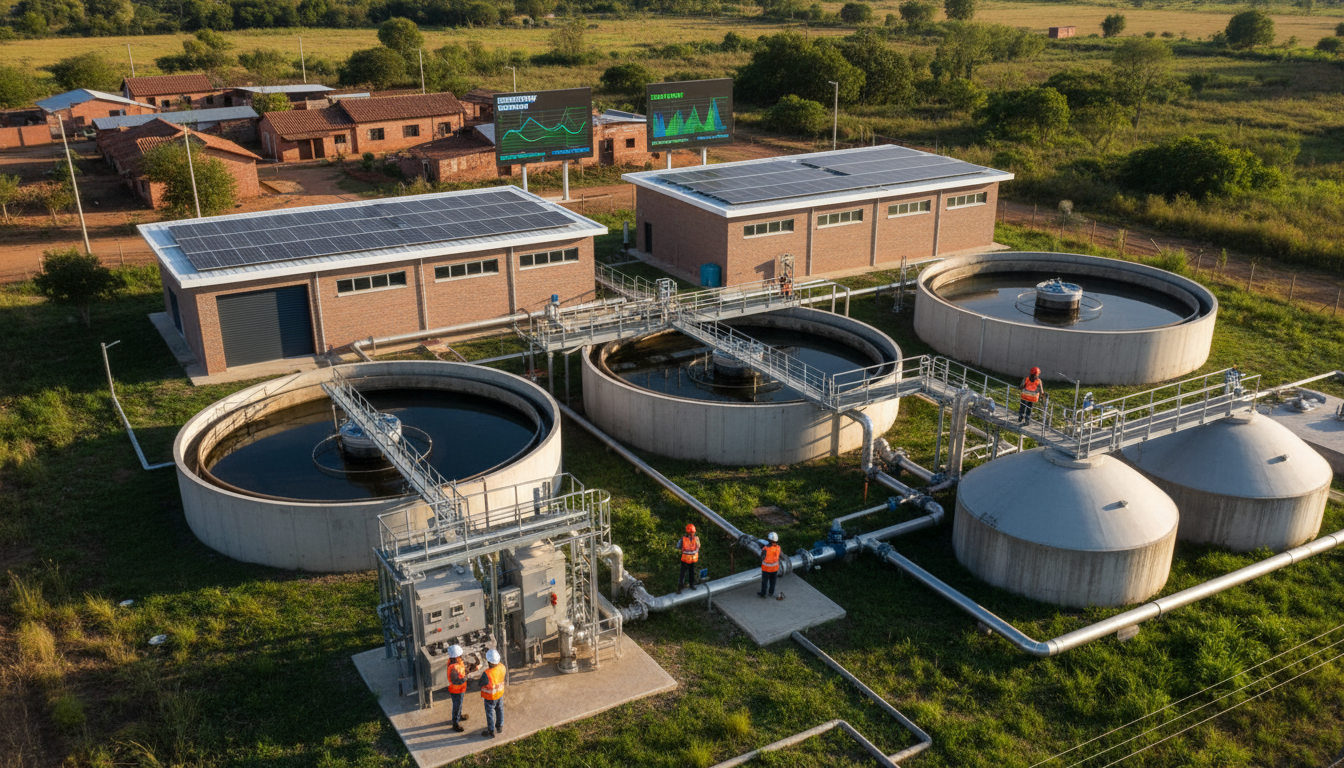
One of the primary environmental benefits of waste-to-energy technologies is the reduction of waste sent to landfills. By converting waste into energy, these technologies minimize the amount of landfill space required, thereby decreasing landfill emissions and potential groundwater contamination.
However, WTE technologies are not without challenges. The incineration process, for example, can produce emissions that contribute to air pollution if not properly managed. Advanced technologies and stringent regulations are necessary to mitigate these effects and ensure that emissions remain within safe limits.
Comparing Different WTE Methods
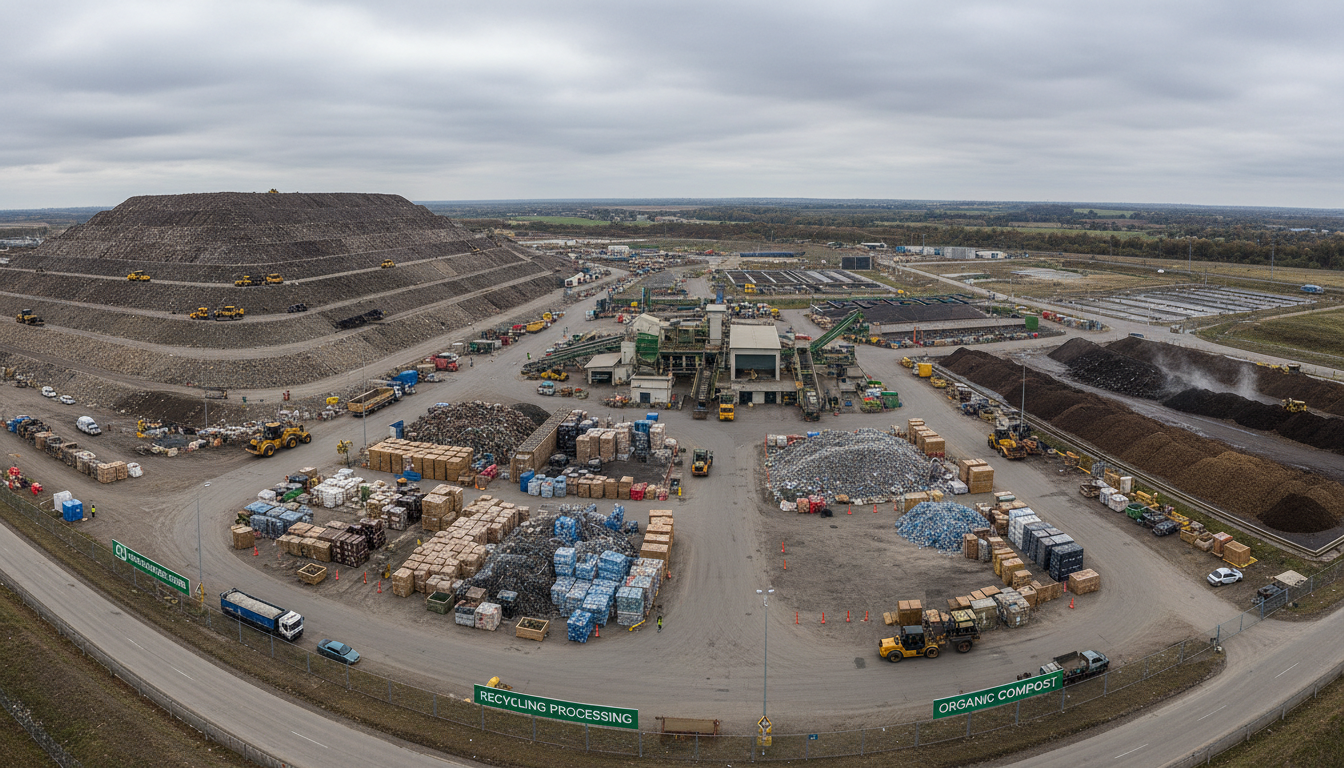
Each WTE method has unique advantages and environmental impacts. Incineration is widely used and efficient but requires sophisticated pollution control systems. Gasification, on the other hand, involves converting waste into syngas, which can be used for electricity or chemical production, offering a cleaner alternative.
Anaerobic digestion is particularly effective for organic waste, producing biogas that can be converted into energy. This method not only reduces landfill waste but also contributes to the production of natural fertilizers, enhancing soil quality.
Economic and Social Considerations
Beyond environmental impacts, waste-to-energy technologies also offer economic and social benefits. They create job opportunities in plant operation and maintenance, and contribute to energy security by providing a stable local energy source.
Investments in WTE technologies can stimulate local economies and foster technological innovation. However, public perception and acceptance remain critical, requiring transparent communication about the environmental and health impacts of these technologies.
The Future of Waste-to-Energy
As technology advances, the efficiency and environmental performance of waste-to-energy plants are likely to improve. Innovations in emissions control, energy recovery, and waste processing are expected to enhance the sustainability of these technologies.
Governments and industry stakeholders must collaborate to develop policies and incentives that promote the adoption of WTE solutions, ensuring that they complement broader waste management and renewable energy strategies.
Conclusion
Exploring the environmental impact of waste-to-energy technologies reveals both opportunities and challenges. While they offer a promising solution to waste management and energy production, careful consideration of their environmental, economic, and social impacts is essential. Through continued innovation and collaboration, WTE technologies can play a crucial role in a sustainable future.