
A Guide to Sustainable Energy Solutions for Municipal Waste Management


Understanding the Importance of Sustainable Energy in Waste Management
As urban populations grow, municipalities face increasing challenges in managing waste. Traditional waste management practices often rely on unsustainable methods that contribute to environmental degradation. Integrating sustainable energy solutions into waste management processes can significantly reduce the ecological footprint, providing a cleaner and more efficient system.
Benefits of Sustainable Energy Solutions
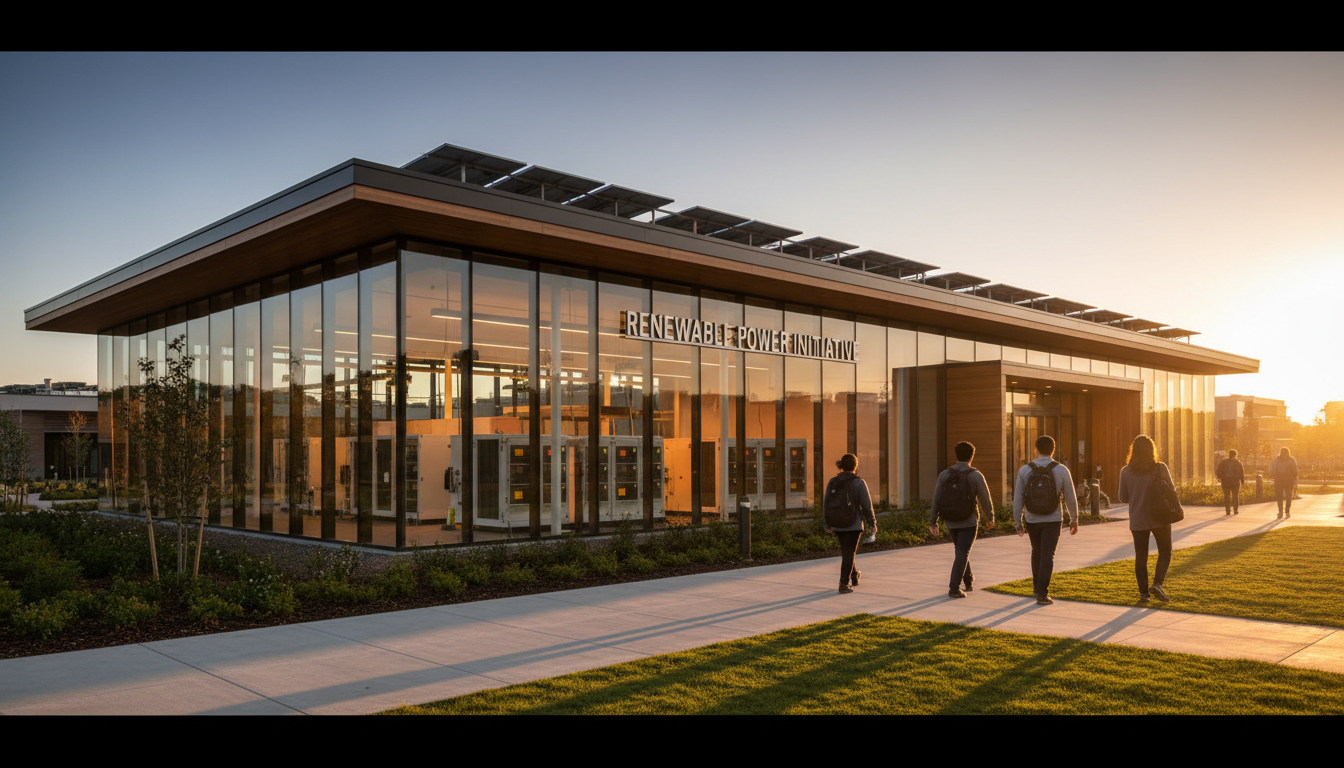
Implementing sustainable energy solutions in waste management offers numerous benefits. Firstly, it reduces greenhouse gas emissions, which are a significant contributor to climate change. By shifting to renewable energy, municipalities can decrease their reliance on fossil fuels. Additionally, sustainable energy solutions can lead to cost savings in the long term, as they minimize the need for expensive landfill operations and other traditional waste disposal methods.
Economic Advantages
Beyond environmental benefits, sustainable energy solutions offer substantial economic advantages. By investing in technologies such as waste-to-energy (WTE) plants, municipalities can convert waste into usable energy. This not only reduces landfill volumes but also generates electricity and heat, creating new revenue streams. Furthermore, sustainable practices can attract green businesses and boost local economies.
Key Sustainable Energy Technologies
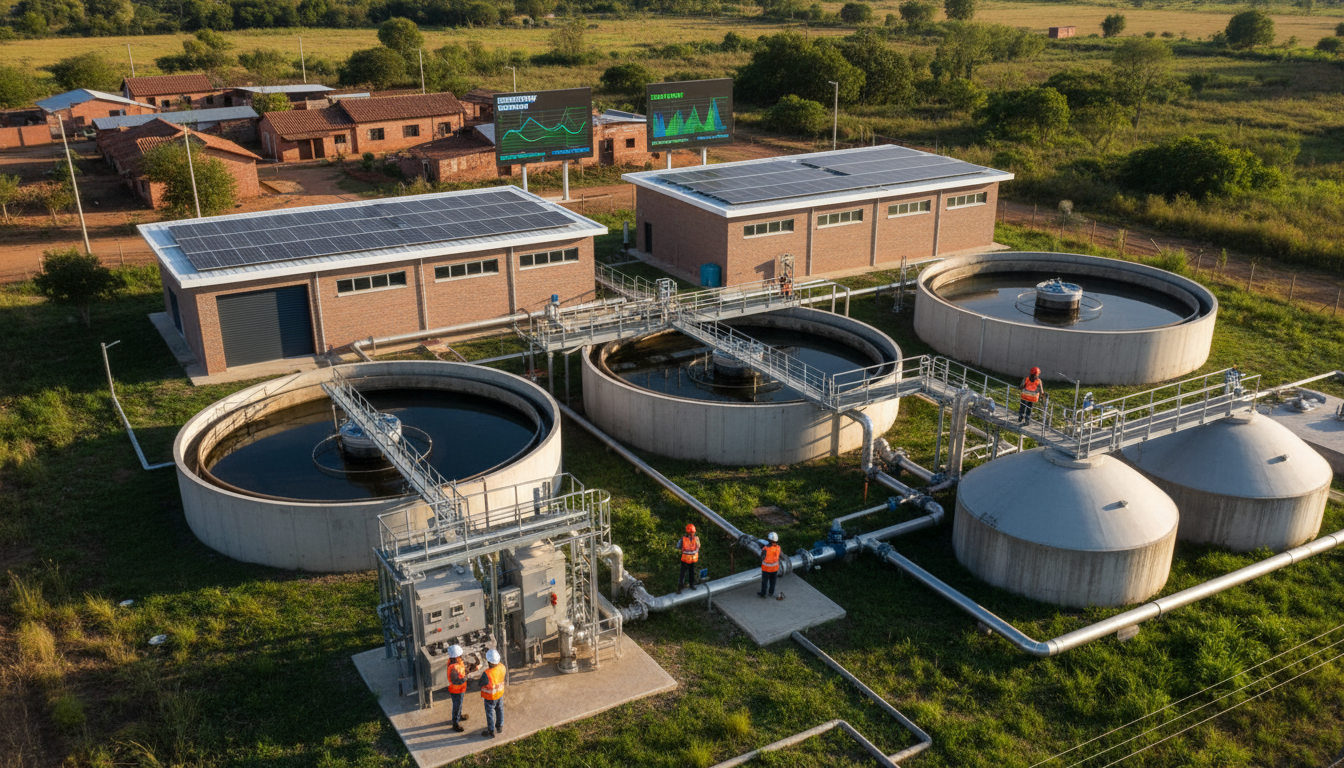
Several technologies are instrumental in integrating sustainable energy into municipal waste management. Among them, waste-to-energy (WTE) and anaerobic digestion stand out. WTE plants convert non-recyclable waste materials into energy, while anaerobic digestion processes organic waste to produce biogas. Both technologies help in reducing landfill usage and recovering valuable resources.
Solar and Wind Integration
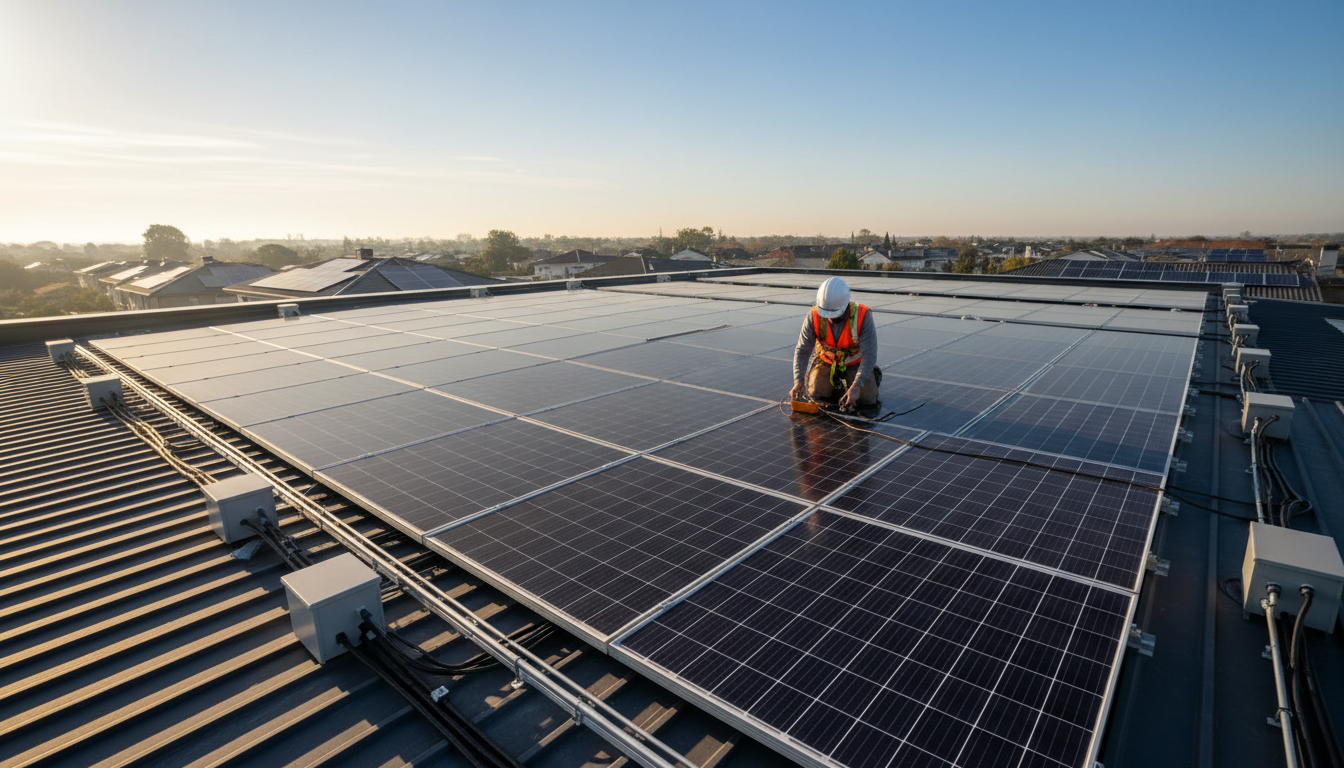
In addition to WTE and anaerobic digestion, municipalities can harness solar and wind energy to power waste management facilities. Installing solar panels and wind turbines can provide clean energy to operate equipment, further reducing reliance on non-renewable resources. This integration not only contributes to sustainability but also enhances the resilience of waste management systems.
Challenges and Considerations
While the benefits are clear, there are challenges to implementing sustainable energy solutions in waste management. Initial investment costs can be high, and municipalities must ensure they have the technical expertise to manage these systems effectively. Moreover, public acceptance and regulatory approvals can pose additional hurdles. It's crucial for municipalities to engage with communities and stakeholders to foster support and collaboration.
Policy and Regulatory Support
For sustainable energy solutions to thrive, supportive policies and regulations are essential. Governments can incentivize the adoption of green technologies through subsidies, tax breaks, and grants. Establishing clear guidelines and standards can also streamline the implementation process and ensure that projects meet environmental and safety requirements.
Future Outlook
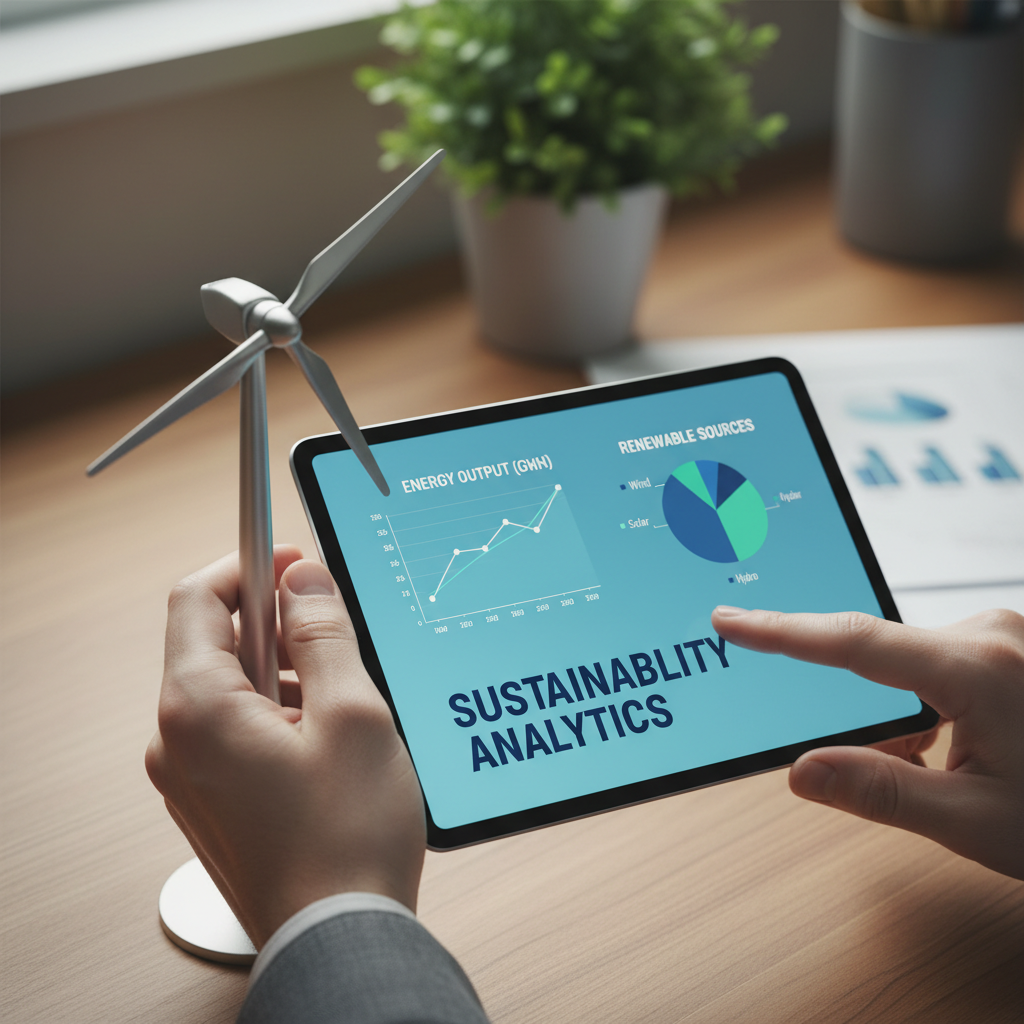
The future of municipal waste management lies in sustainable energy solutions. As technology advances, more efficient and cost-effective methods will emerge, making it easier for municipalities to adopt these practices. Continued investment in research and development, along with collaborative efforts across sectors, will be key to achieving a sustainable waste management ecosystem.
By embracing these innovative solutions, municipalities can not only manage waste more effectively but also contribute to a healthier planet for future generations. The shift towards sustainable energy in waste management is not just a necessity—it's an opportunity to lead the way towards a greener future.